MKGA: Multifunctioneel centrum Karmin'A . BASIL architecture . Knesselare, Belgium
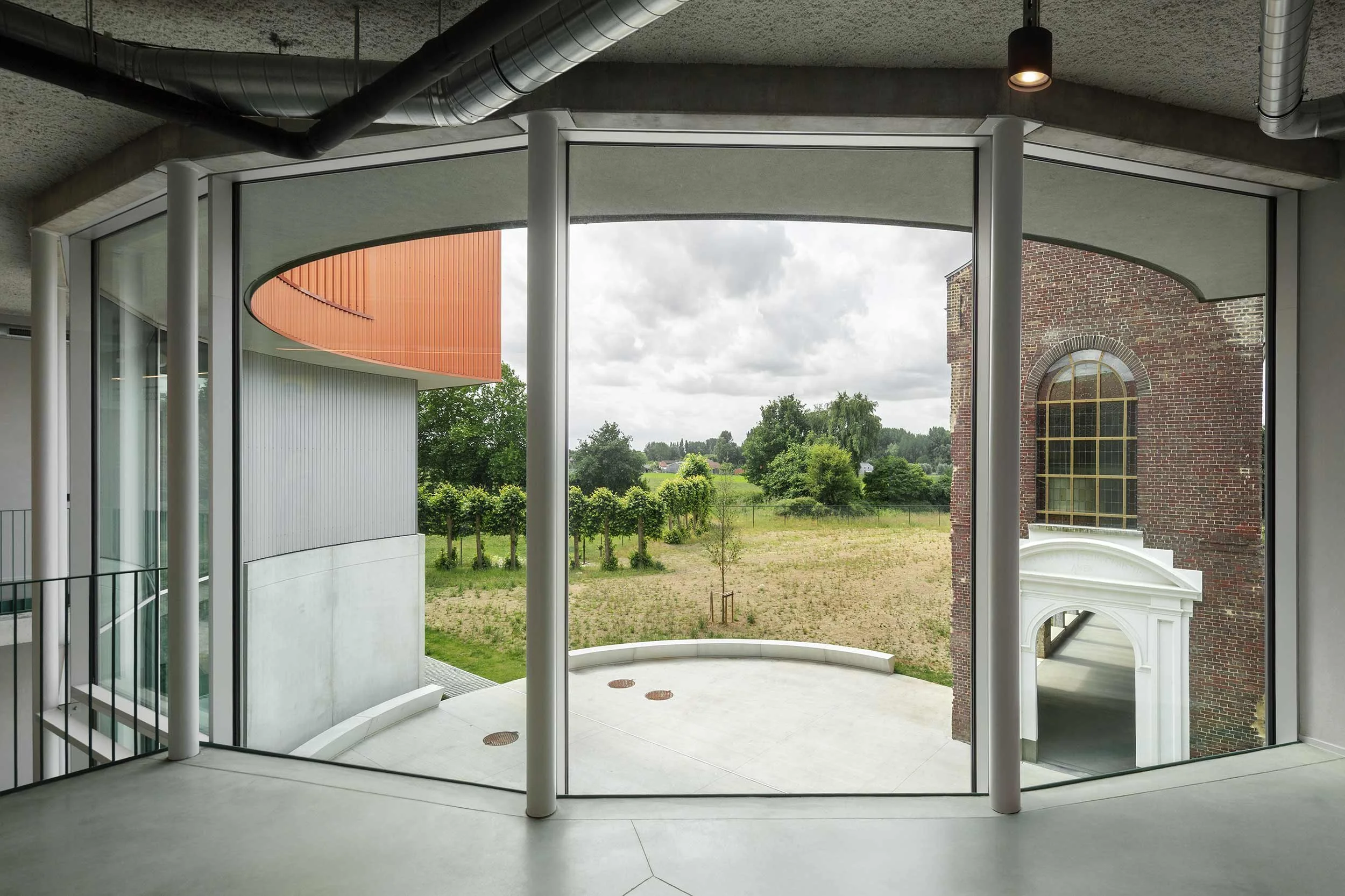
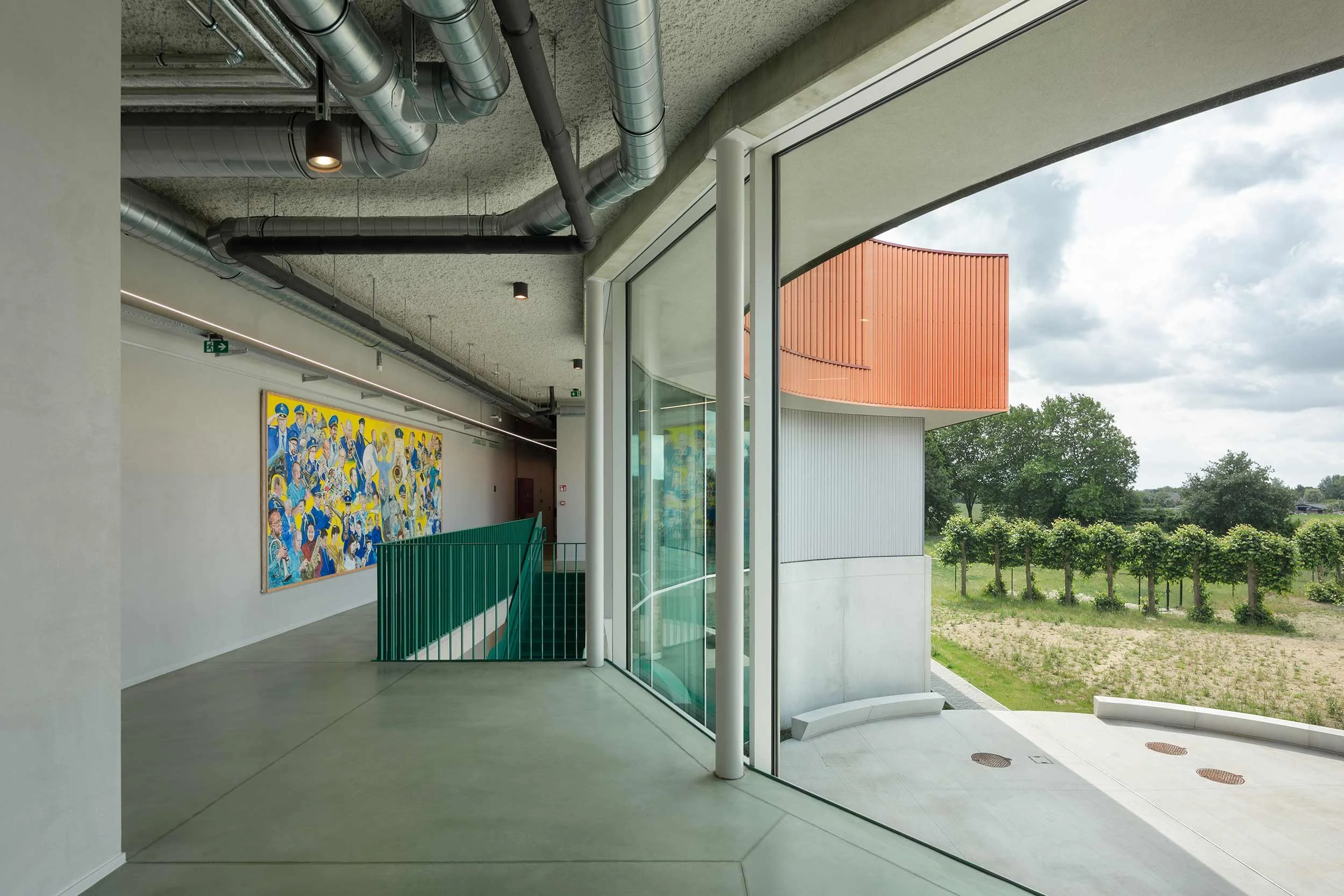
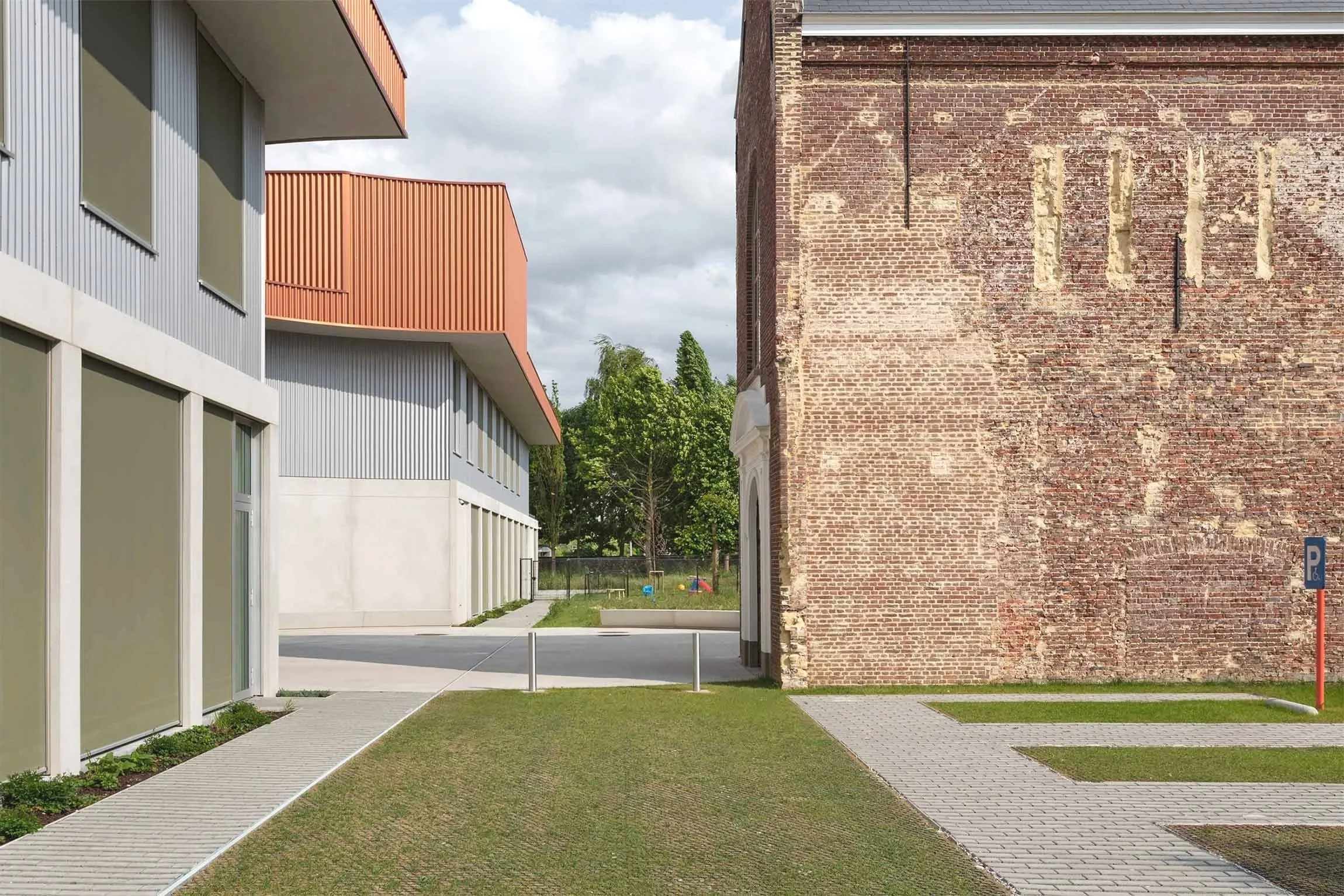
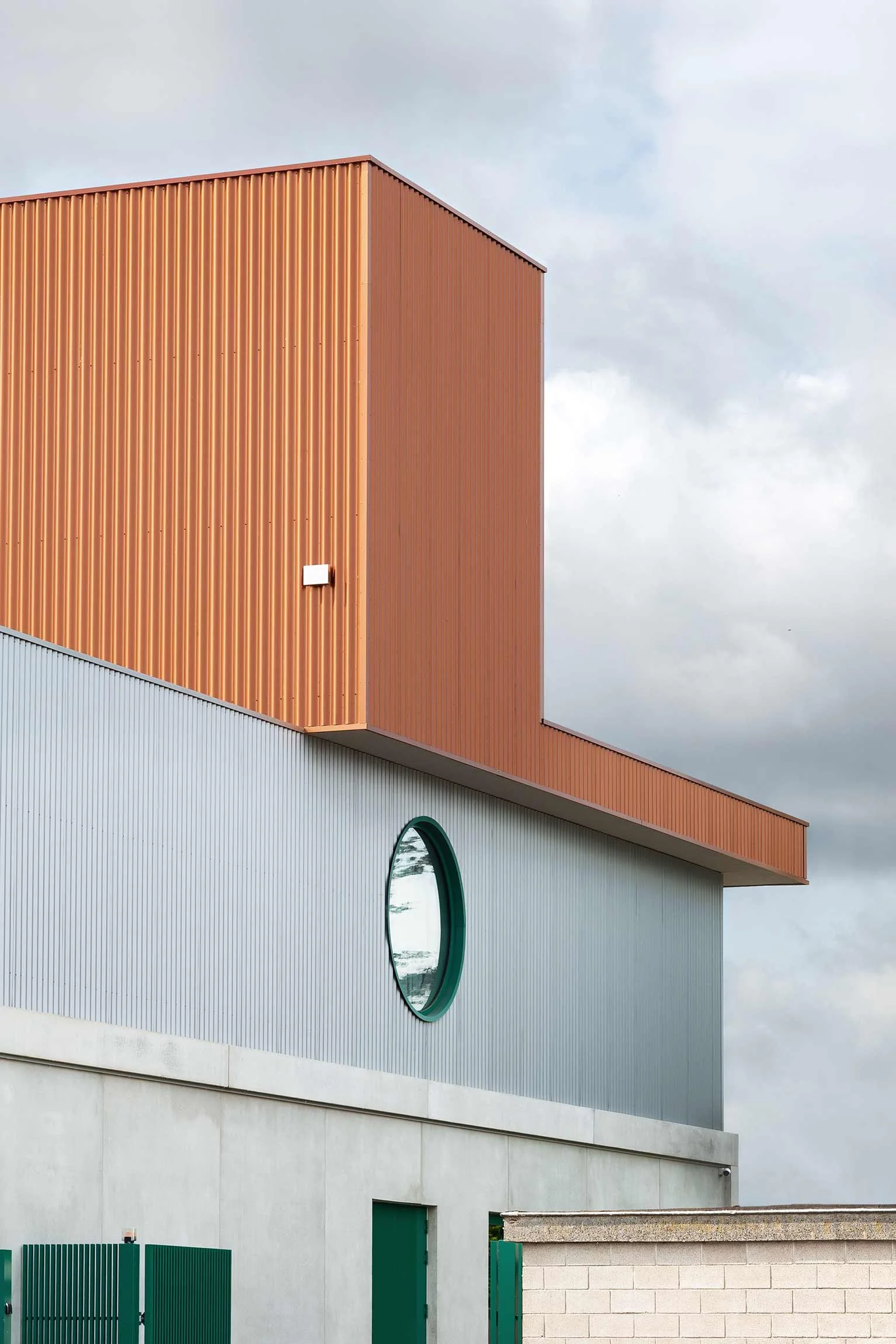
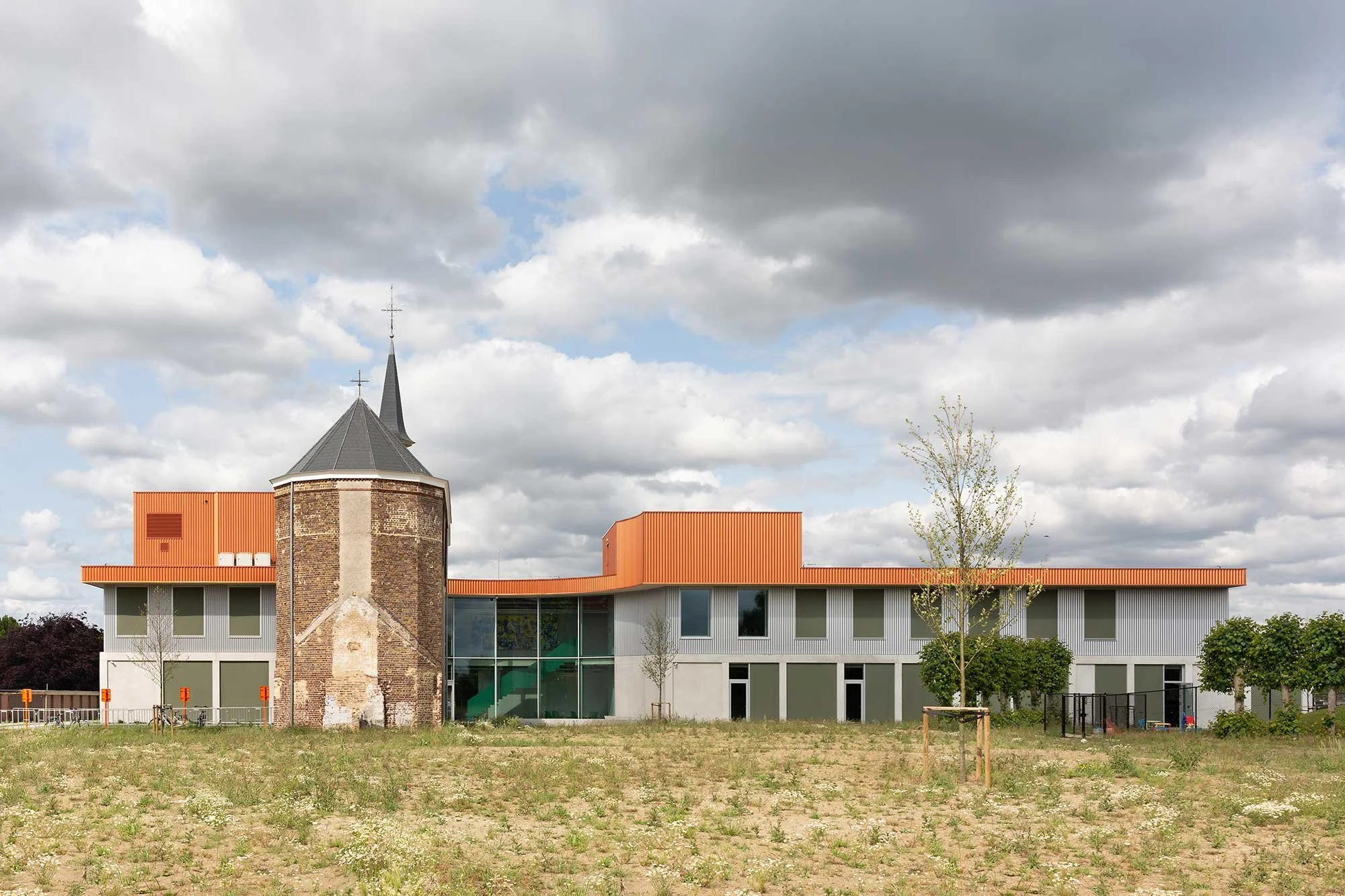
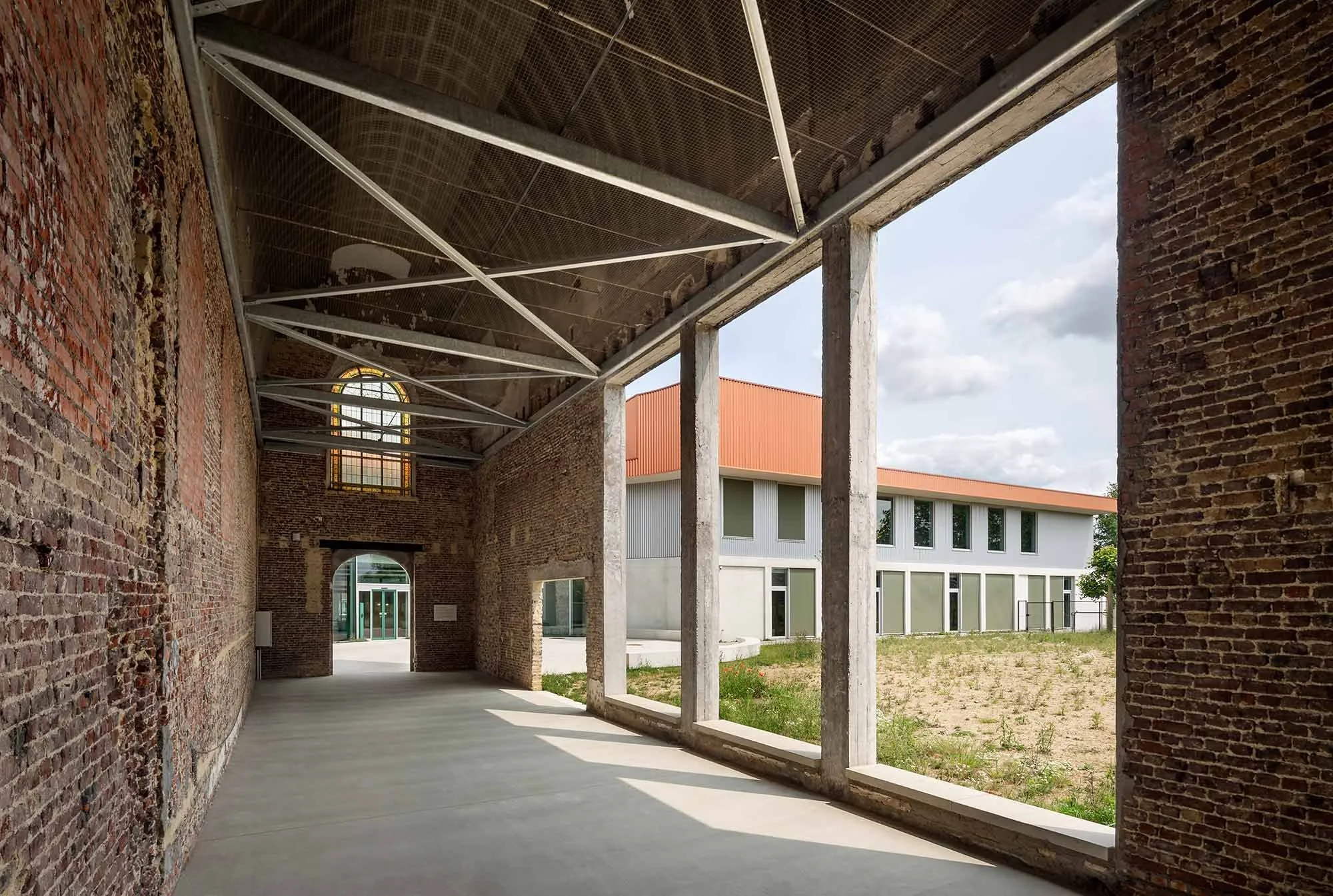
The former monastery site in Knesselare has been transformed into Karmin’A:
a multifunctional centre that brings together a variety of public activities within a single building.
This multifunctional space host music classrooms, an after-school childcare service, a library, an event hall for theater shows and concerts.
The design combines the restoration of existing elements with new volumes, enhancing the relationship between architecture and the surrounding landscape. The new multifunctional centre creates a connection between the school, characterized by a larger building scale, and the adjacent convent.
It’s a sustainable, technologically advanced place, equipped with the most innovative technologies.
Architect: BASIL architecture
Year: 2023 - 2024
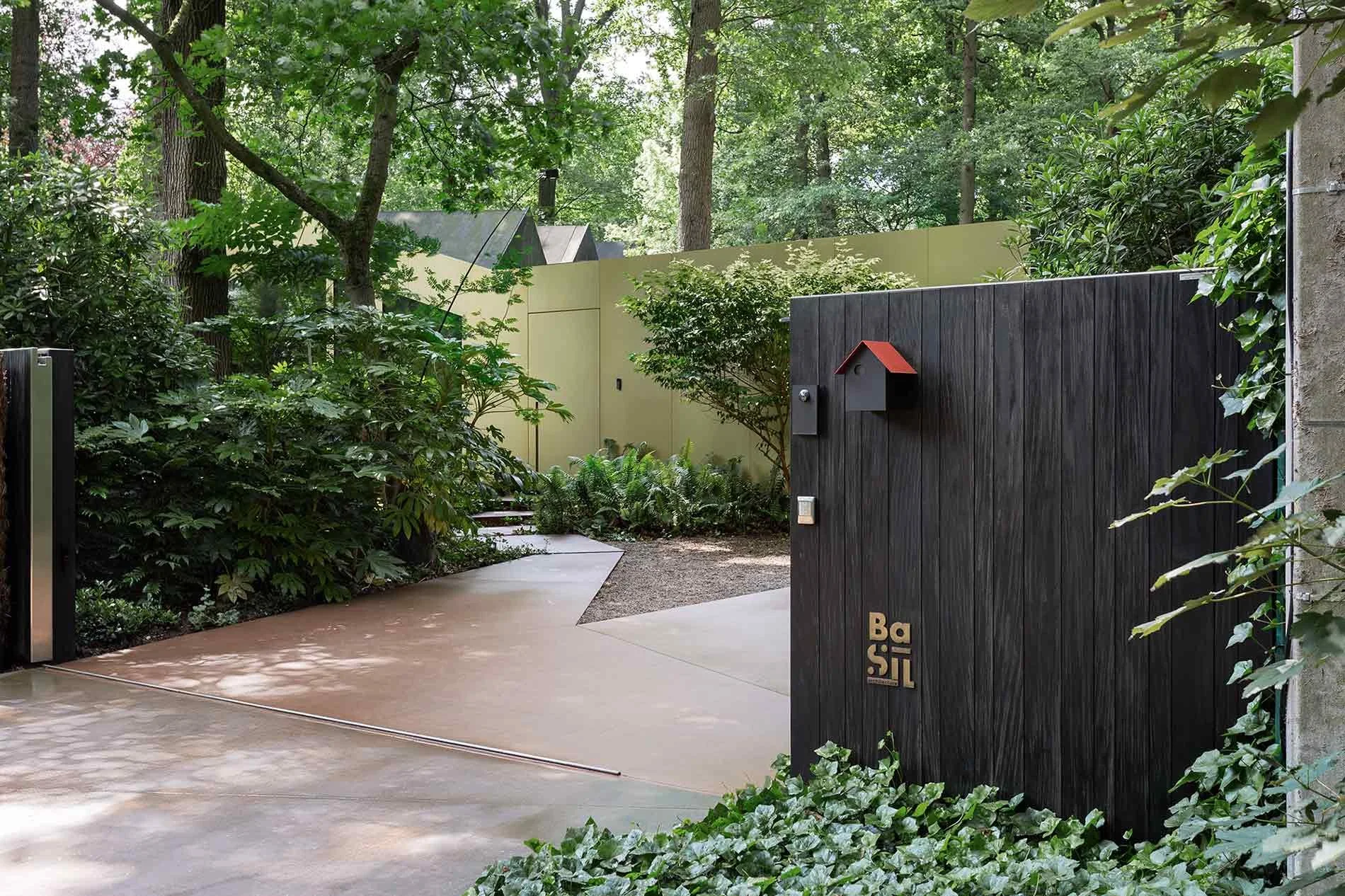
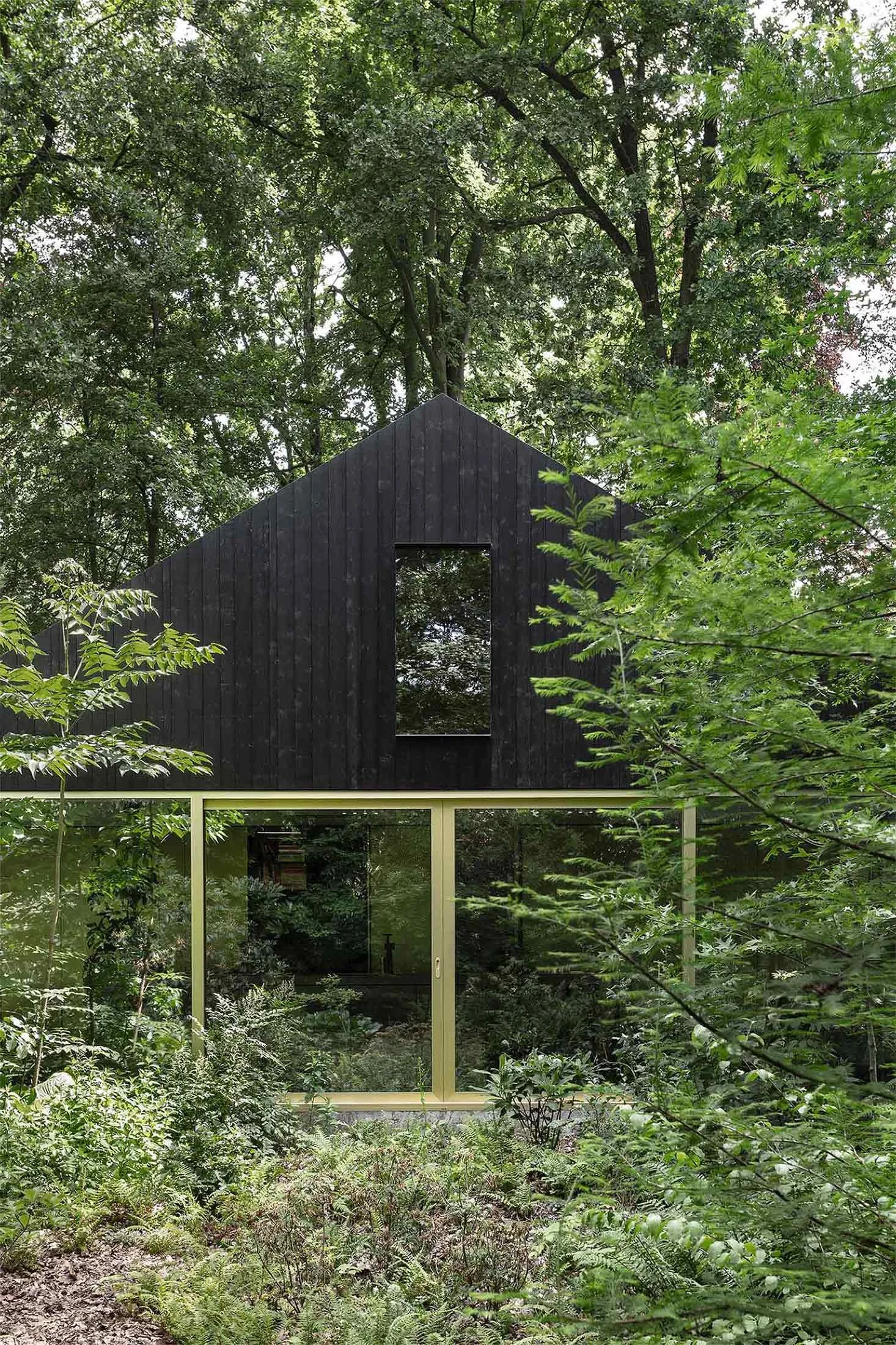
Woning WADV . BASIL architecture . Aalter, Belgium
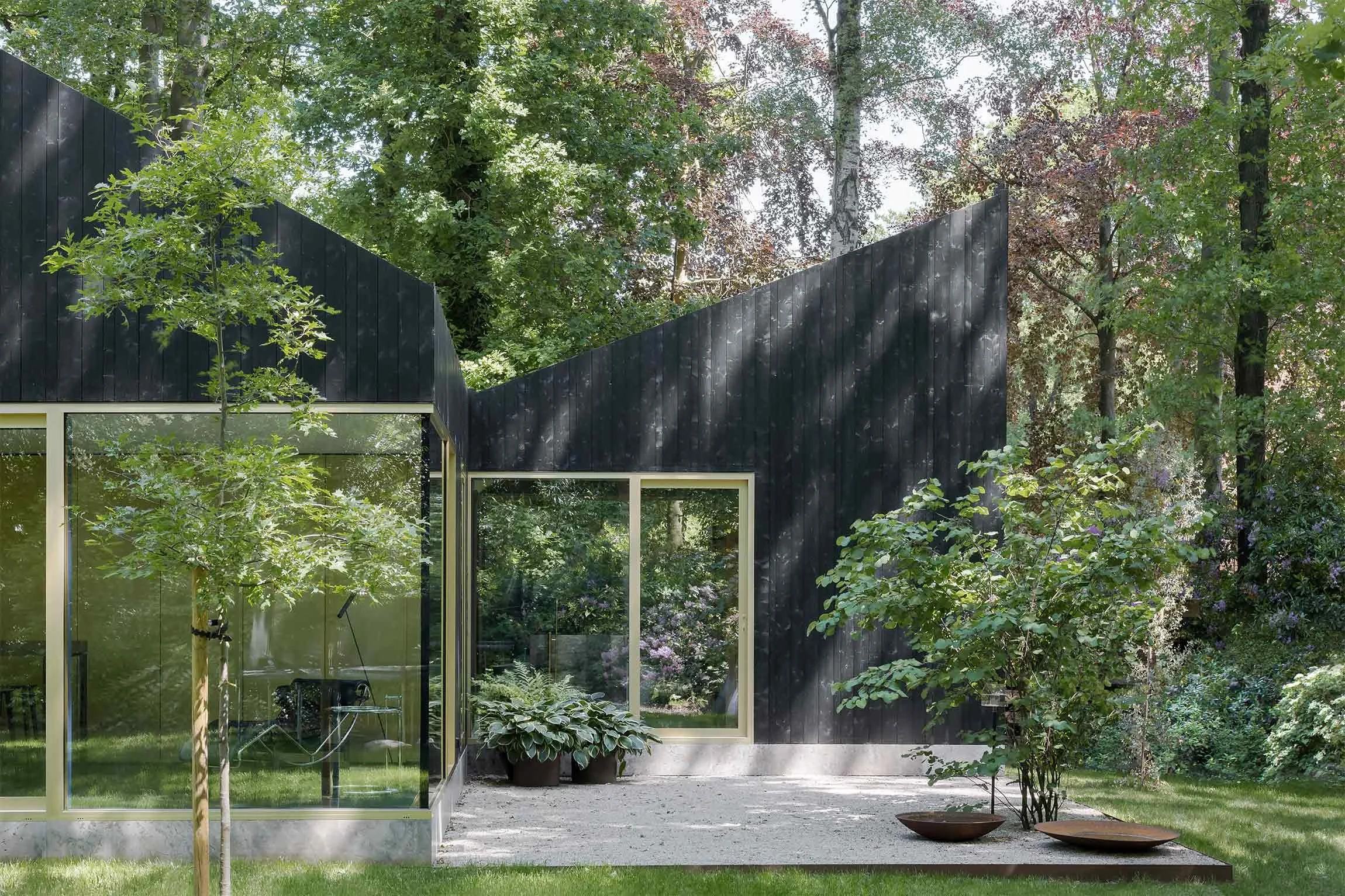
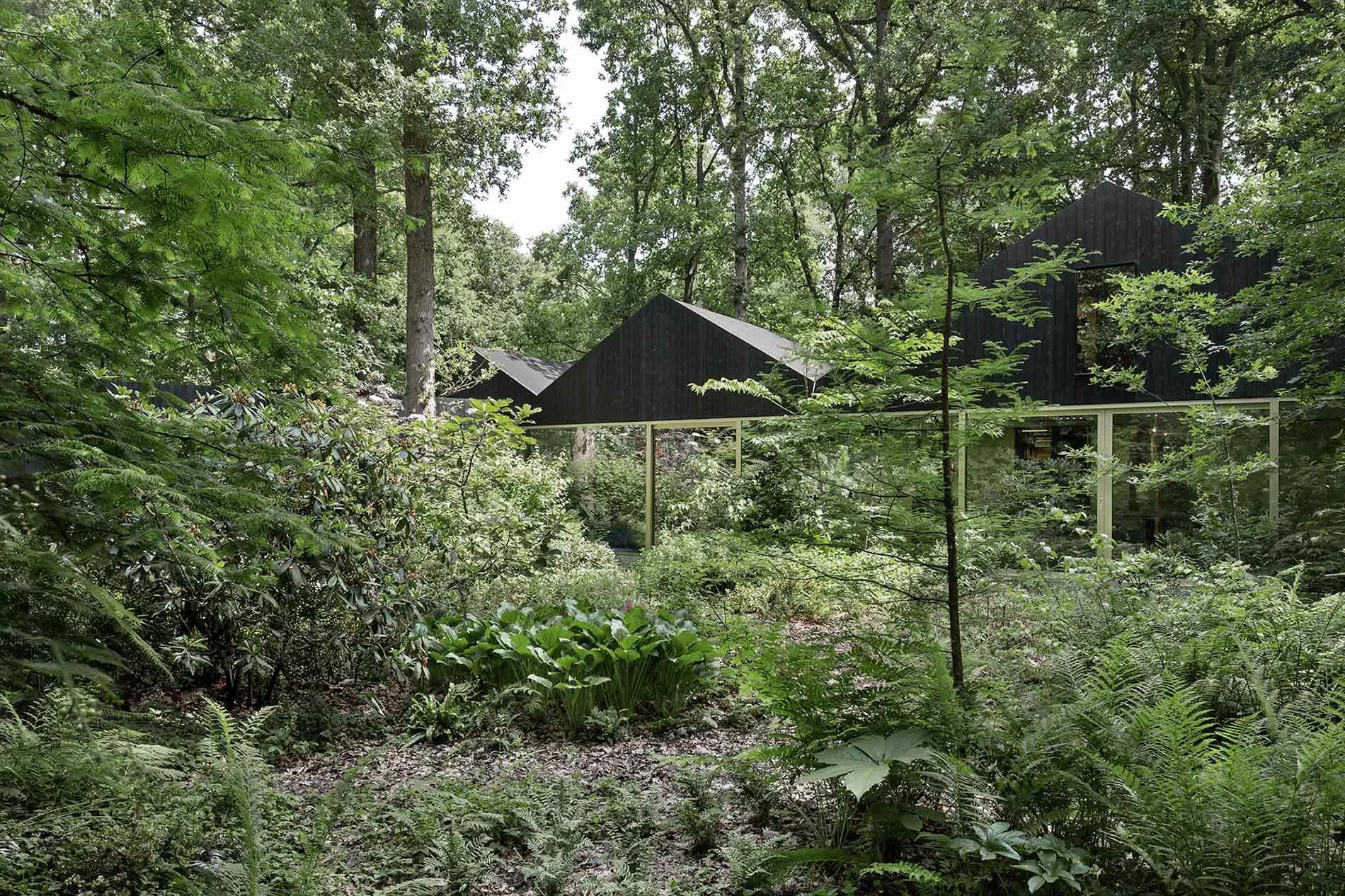
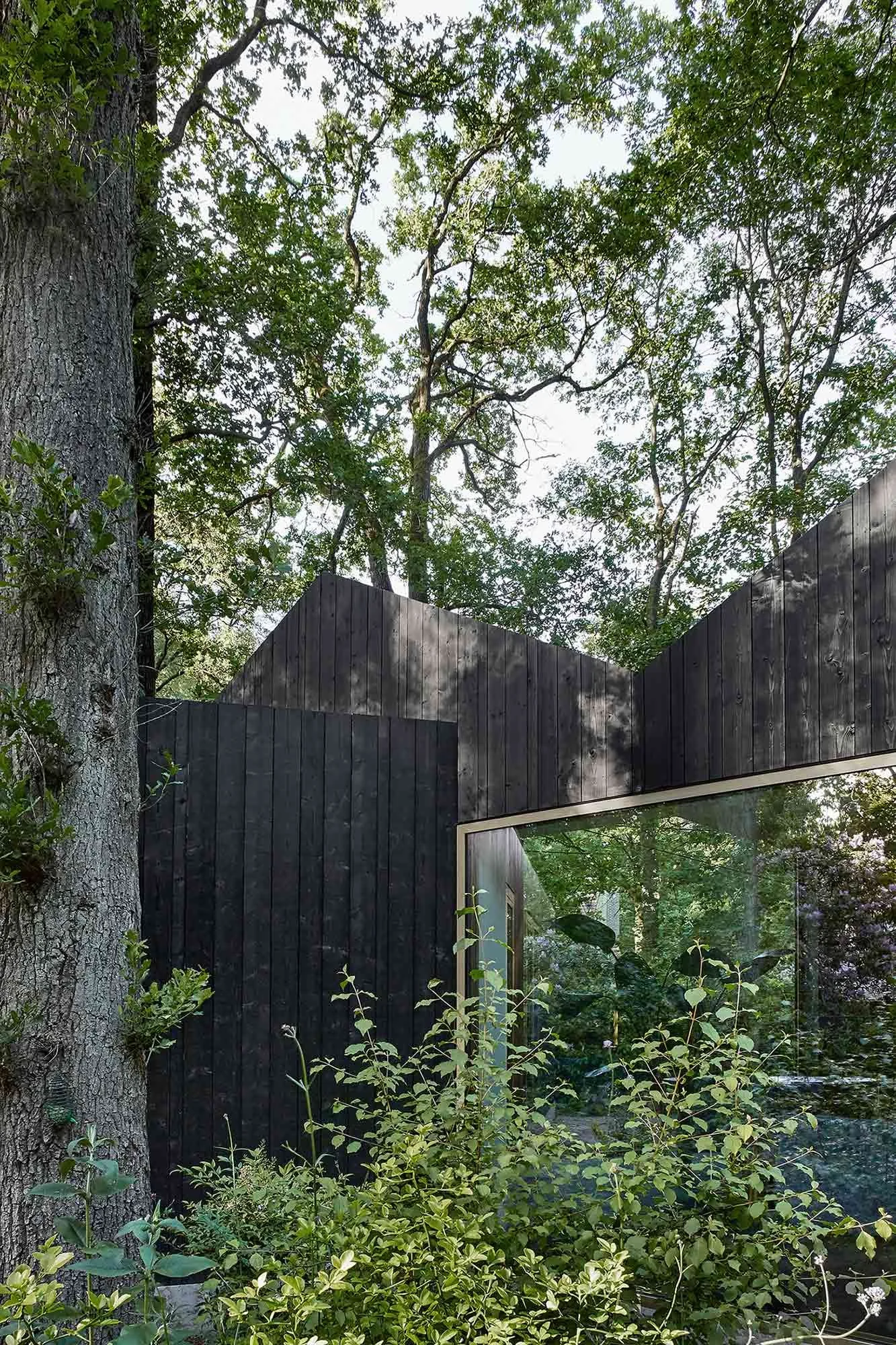
Transformation of a former chalet into a contemporary forest house, preserving its original holiday character.
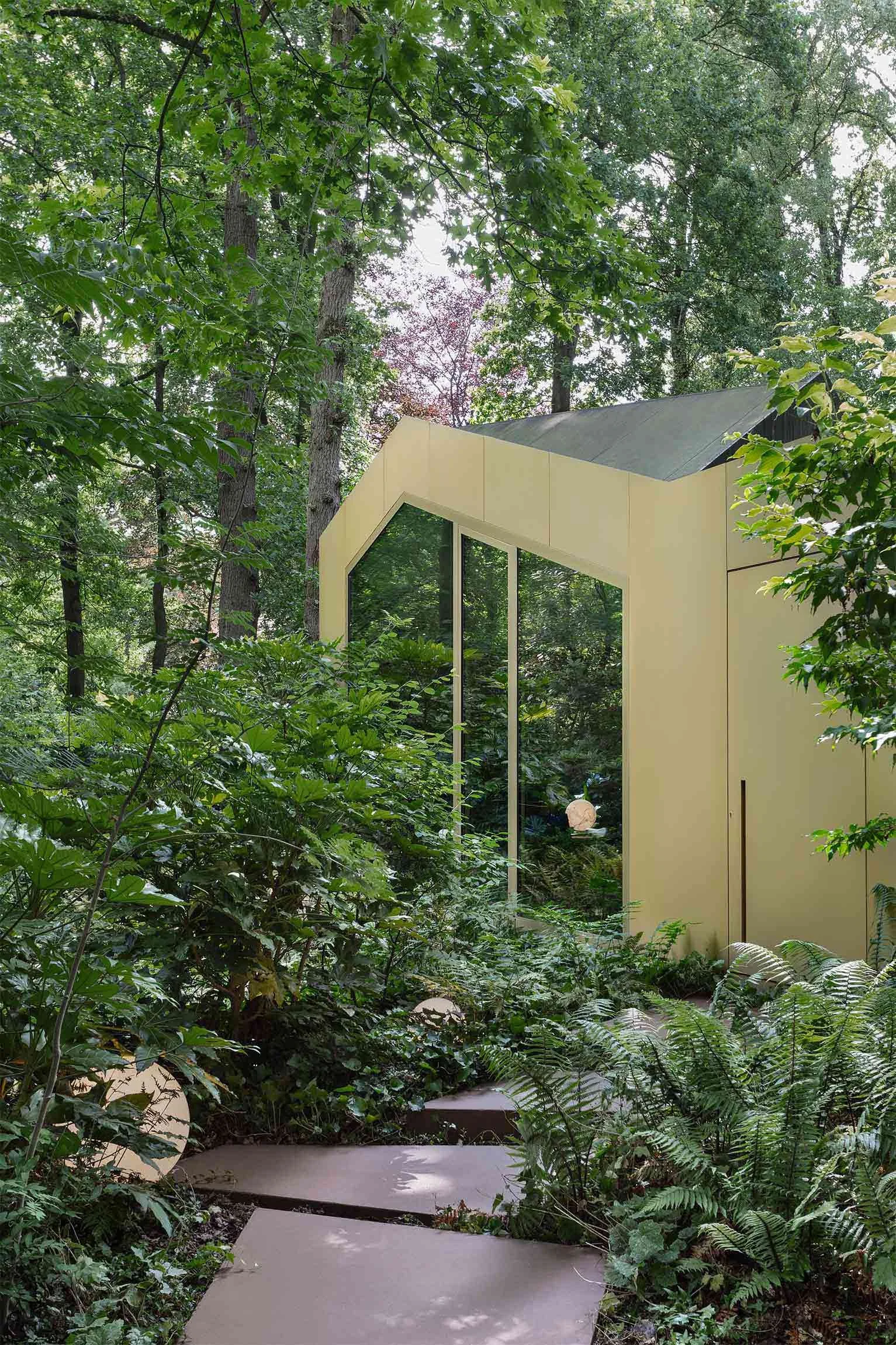
“The site, formerly characterized by an archetypal chalet acting as a holiday home, is situated in the woods of Aalter, Belgium. In order to keep this holiday feeling, it was decided to preserve the existing chalet volume and to let it expand in a rhythm of roofs, again executed in a wooden cladding. Parallel to the street, a golden façade is created, perpendicular to the residential volume, as an entrance area for the residents and their guests. The same golden accents are repeated in the exterior and interior. They form a warm natural touch within the green context.
The extension is formed as a steel structure, enabling to create of a very open architecture to the landscape with a minimum of columns or walls. Hidden behind the plaster wall finishings. The golden canvas windows highlight the beautiful natural forest environment and maximum open views. The plan layout is partially created as a result to maintain the existing oak trees on the plot.”
Architect: BASIL architecture
Year: 2016 - 2019
Awards: Longlisted Dezeen Awards 2021
Featured on: ArchDaily, Archello
Project published on: Best of Buitengewoon Belgisch Bouwen 10
Herman Teirlinckgebouw . Neutelings Riedijk Architects in collaboration with CONIX RDBM Architects . Brussels
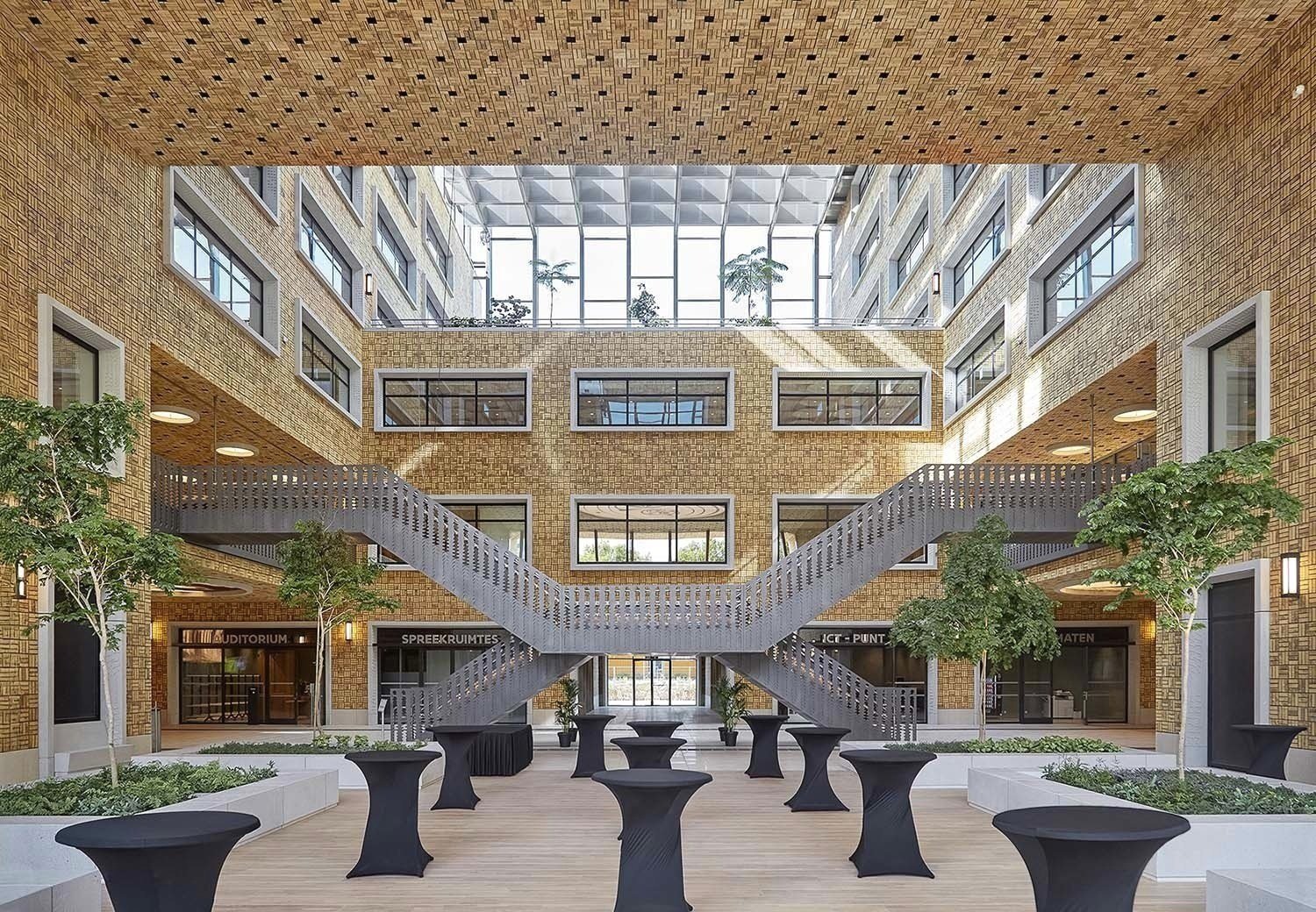
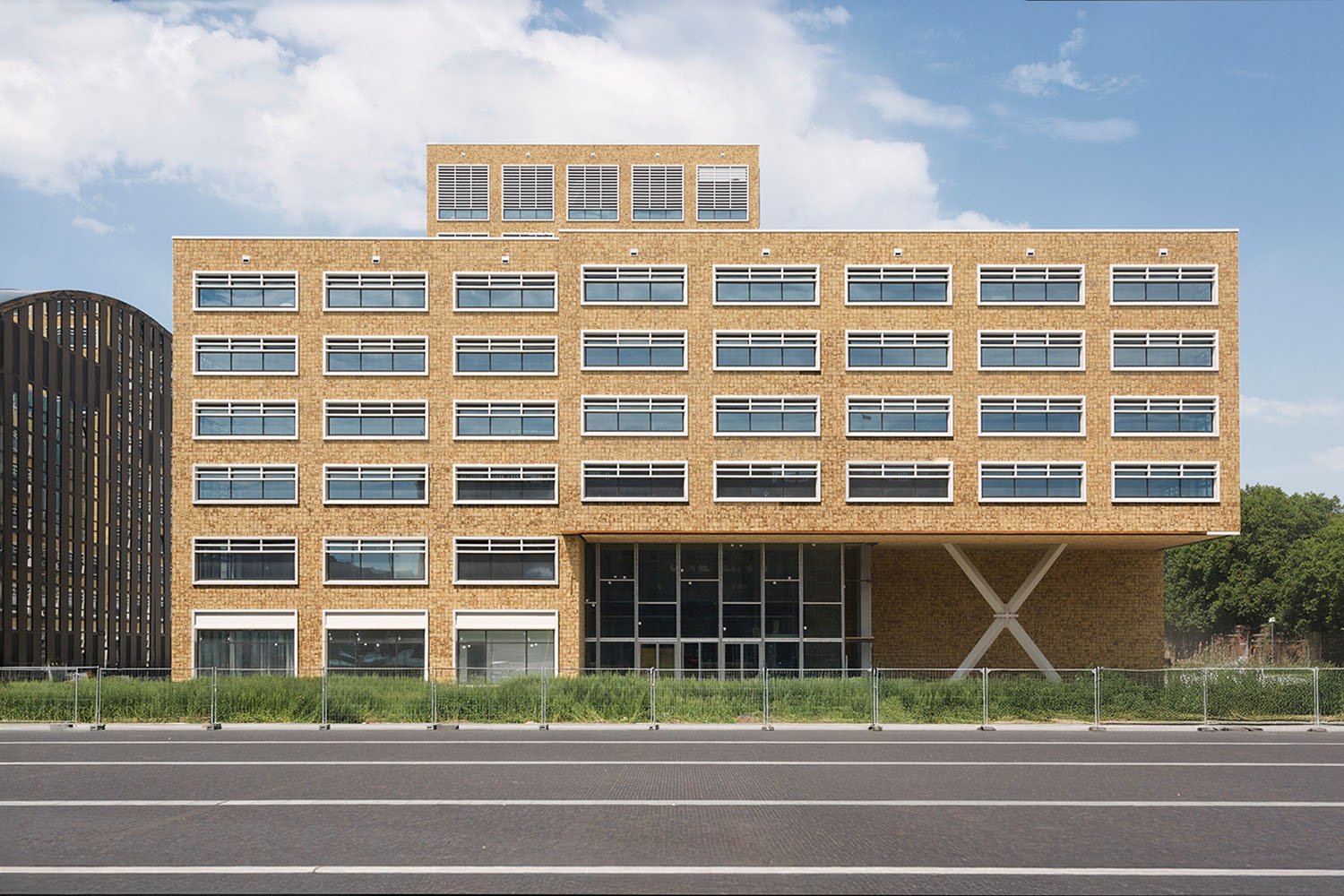
The Herman Teirlinck building, located on the Tour & Taxis site, is the headquarters of the Flemish Government and a landmark of contemporary sustainable architecture in Brussels.
Designed by Neutelings Riedijk Architects, the 60-meter-high building features a sinuous, meander-like form that integrates naturally with the urban blocks along the Havenlaan in Brussels.
Organized around a central internal “street” in the longitudinal axis of the building, the building brings together all shared public functions—such as restaurants, auditoriums, meeting spaces, and exhibition areas. On the upper levels the office floors are situated around four green courtyards that maximize daylight, improve the indoor climate and create a healthy and pleasant climate.
As the largest detached passive office building in Belgium, the project achieves top sustainability performance, combining energy efficiency with advanced climate control systems and optimal natural lighting. “The project is a recognizable element of Brussels’ skyline and it’s the largest detached passive office building of Belgium and meets the highest standards in terms of sustainability and energy performance.”
Architects: Neutelings Riedijk Architects in collaboration with CONIX RDBM Architects
Year: 2017
Awards: Nomination Mies van der Rohe Award
Photos of the construction site commissioned by: Bureau Bouwtechniek





Pattyn Packaging Lines . BASIL architecture. Brugge, Belgium
Pattyn Packaging Lines is an international company specialized in the design and production of fully automated packaging lines for industrial applications.
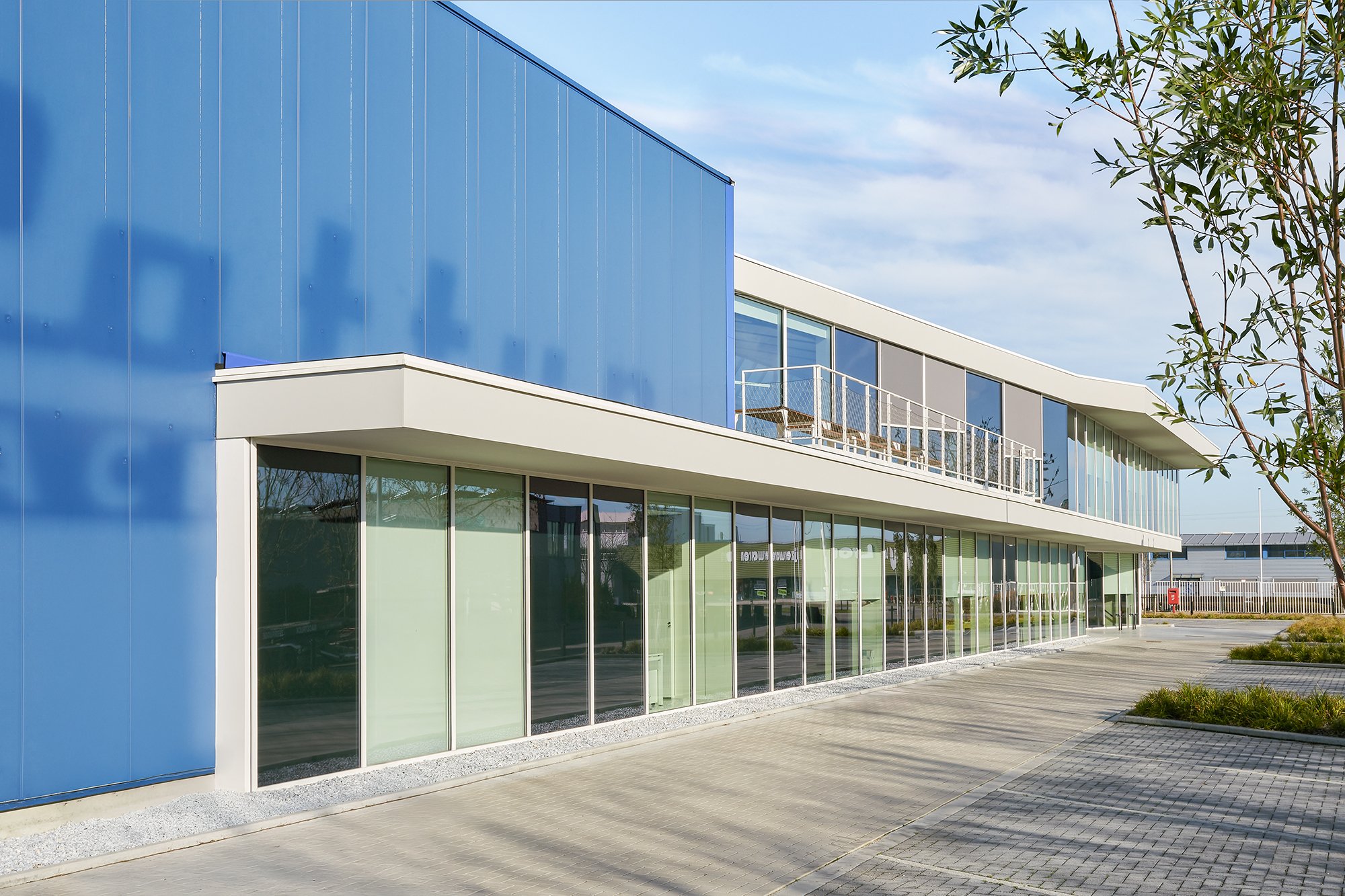
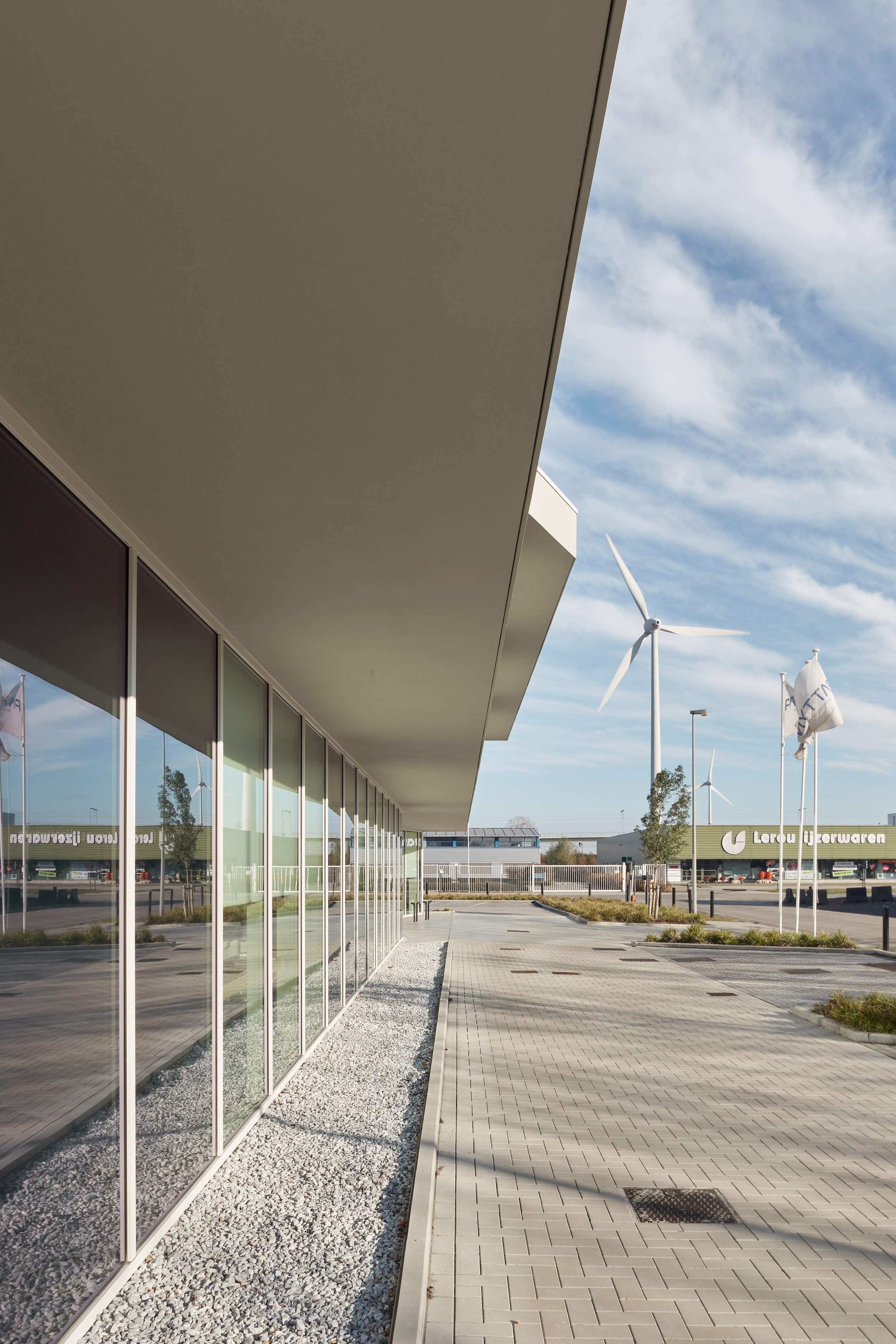
The office building for Pattyn Packaging Lines is located within the crafts and light industrial zone of Bruges, on a corner plot that connects seamlessly with the company’s existing warehouses and production facilities. The project is conceived as a strategic addition to the site, strengthening the relationship between different working areas and improving daily operational flows.
Designed as a contemporary workplace for an internationally oriented technology company specializing in bag-in-box production lines, the office combines flexibility and sustainability. The stepped façade responds to the sun exposure of the street and creates natural shading in the interior space.
The building establishes a clear dialogue with its surroundings. Its position and organization help reorganize circulation routes for the company’s daily operations, fostering interaction between administrative staff and production workers departments.


Labyrint . C-mine . Gijs Van Vaerenbergh . Genk, Belgium
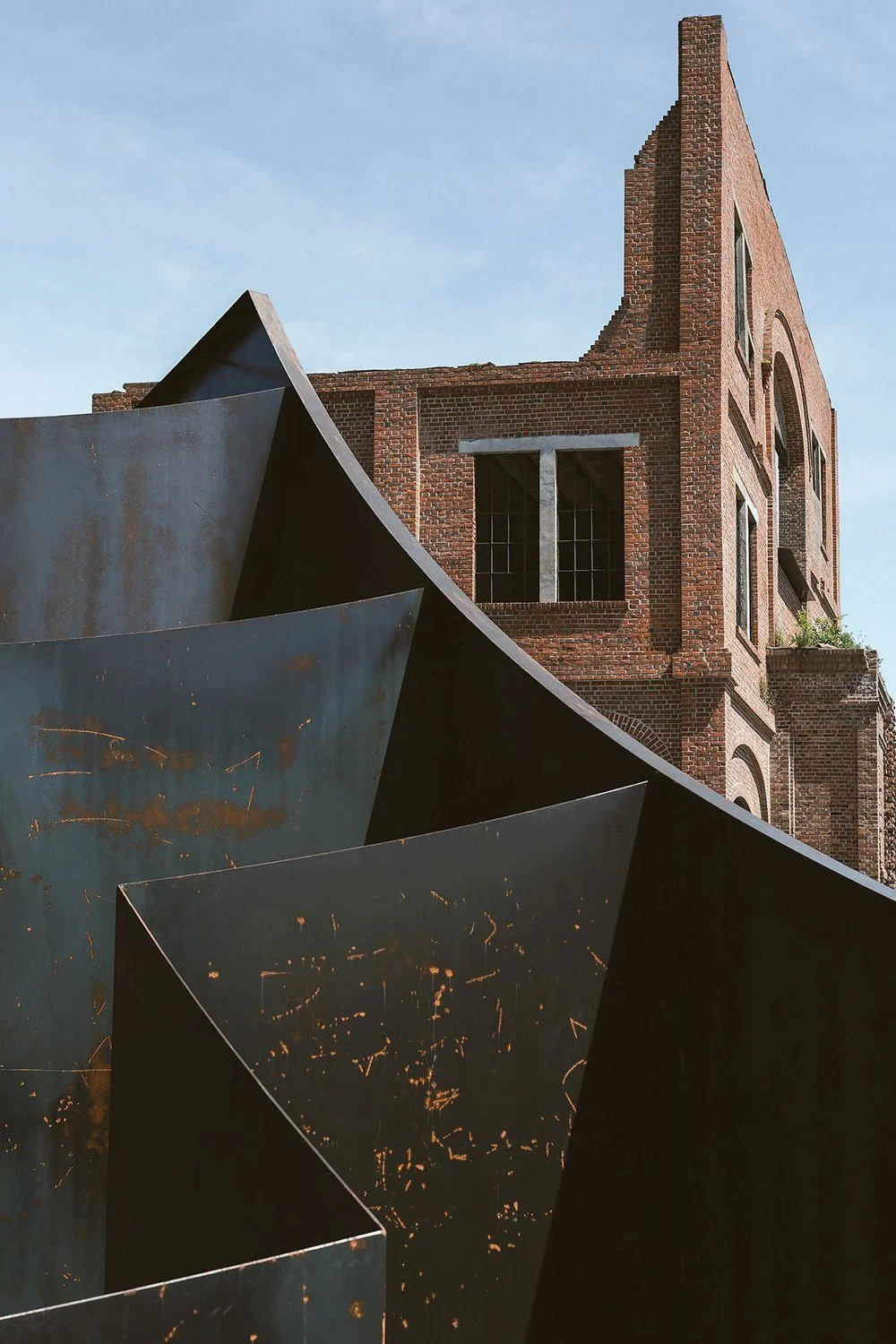
The Labyrinth, created by Gijs Van Vaerenbergh at the C-Mine arts centre, is a powerful sculptural exploration of space, perception and architectural archetypes.
Measuring 37.5 meters on each side and weighing approximately 186 tons, the installation is constructed from 5 mm-thick steel plates that have been precisely cut to form a sequence of geometric frames. This process creates a layered composition of solids and voids, where structure and emptiness continuously interact.
Openings toward the surrounding landscape provide moments of orientation, while the repetitive layout subtly disorients. C-Mine consists of industrial buildings from a former coal mine in Winterslag, Belgium, which have been converted into a cultural center: a well-defined answer on how to handle large-scale industrial heritage.
The installation also engages with its industrial surroundings: from the nearby former mine structures, it can be observed from above as a complete composition, transforming the labyrinth into both an immersive environment and a sculptural object.
Architects: Gijs Van Vaerenbergh
Year: 2015
Renovation of a farmhouse into a private house . Overal Architectuur . Putte, Belgium
The architectural qualities and elements of this type of farmhouse are reinterpreted, such as its rural character, the L-shaped layout (a long, low wing and a shorter, higher wing), the gabled roof typology, and the use of natural and sustainable materials.
A slate roof is combined with locally reclaimed brick for the façades, finished with a grey chipped texture—a contemporary application of a technique with deep historical roots.
The project aims for a single dwelling to support approximately 2,500 square meters of biodiversity, including a wild garden and an orchard. Nature is brought into the house, with the patio becoming a new habitat for plants. A process is created in which human intervention and natural growth remain in balance.
The design is a contemporary interpretation of the archetypal long-façade farmhouse.
A deteriorated long-façade farmhouse is replaced with an energy-efficient home that reinterprets its rural typology.
Architect: OVERAL Architectuur
Year: 2016 - 2018


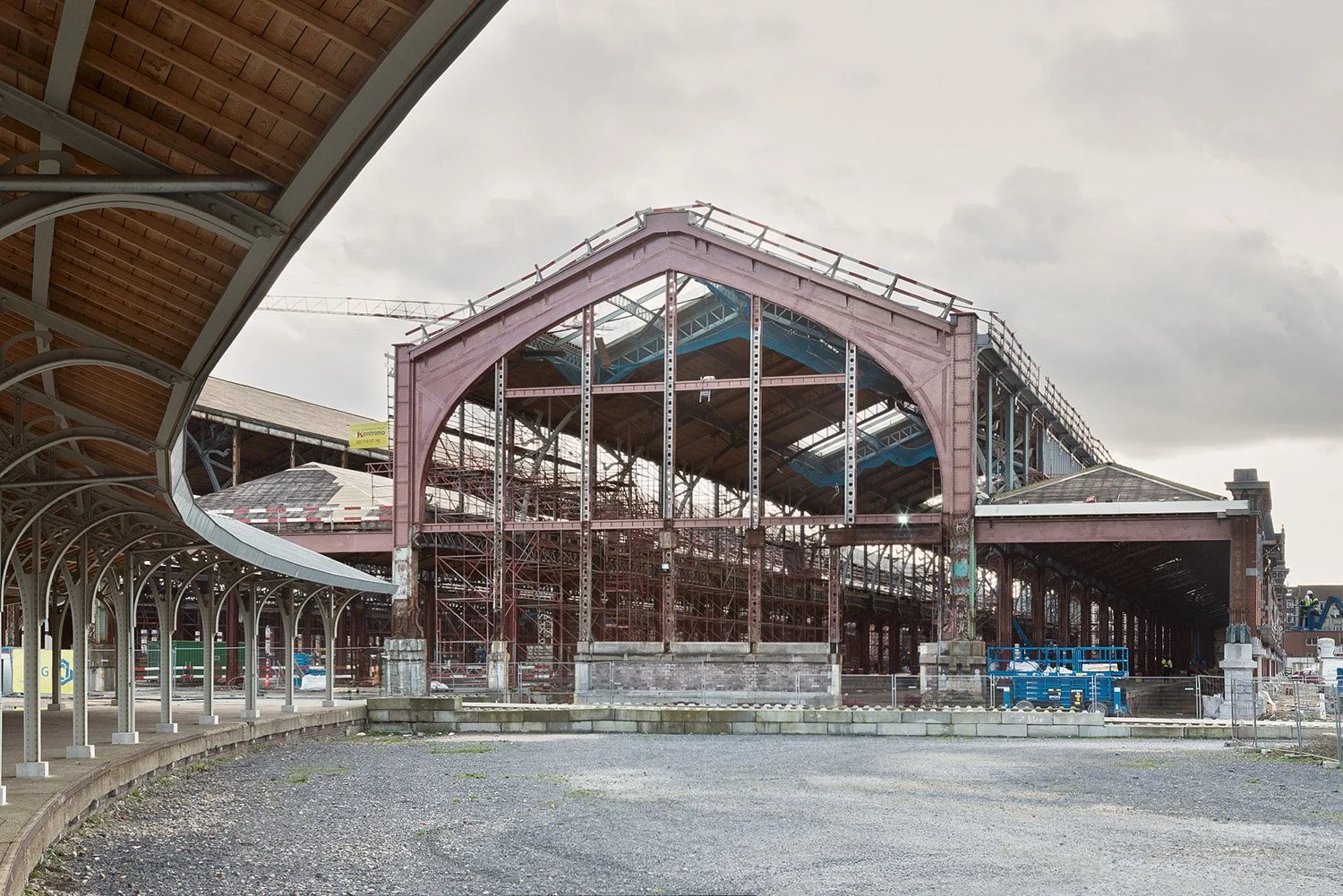
Gare Maritime . Neutelings Riedijk Architecten . Bureau Bouwtechniek . Brussels


Stadskantoor Torhout. Gino Debruyne & Architecten